The Human Dividend: What Should AI Give Back?
AI can make people faster. But can it also make them less capable?
Lou Compagnone, Director of AI, Datacom, and Dr Patrick Aouad, neurologist and organisational capability adviser; moderated by Aleisha McCall, founder and CEO, Ultimate Edge Communications
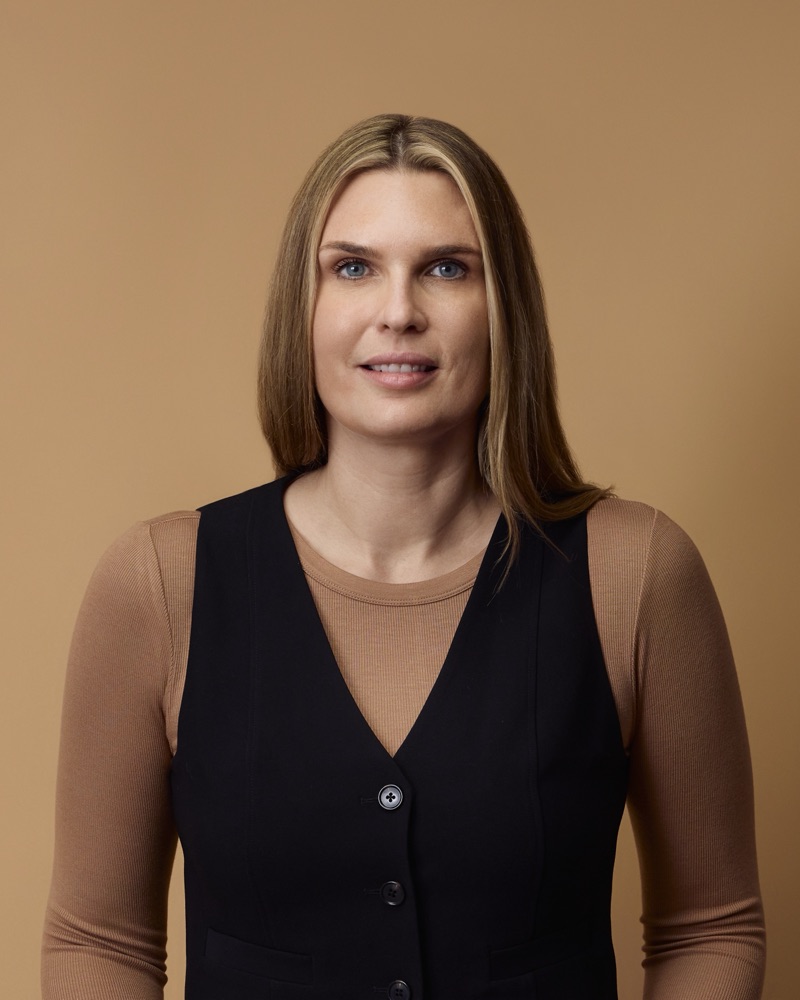
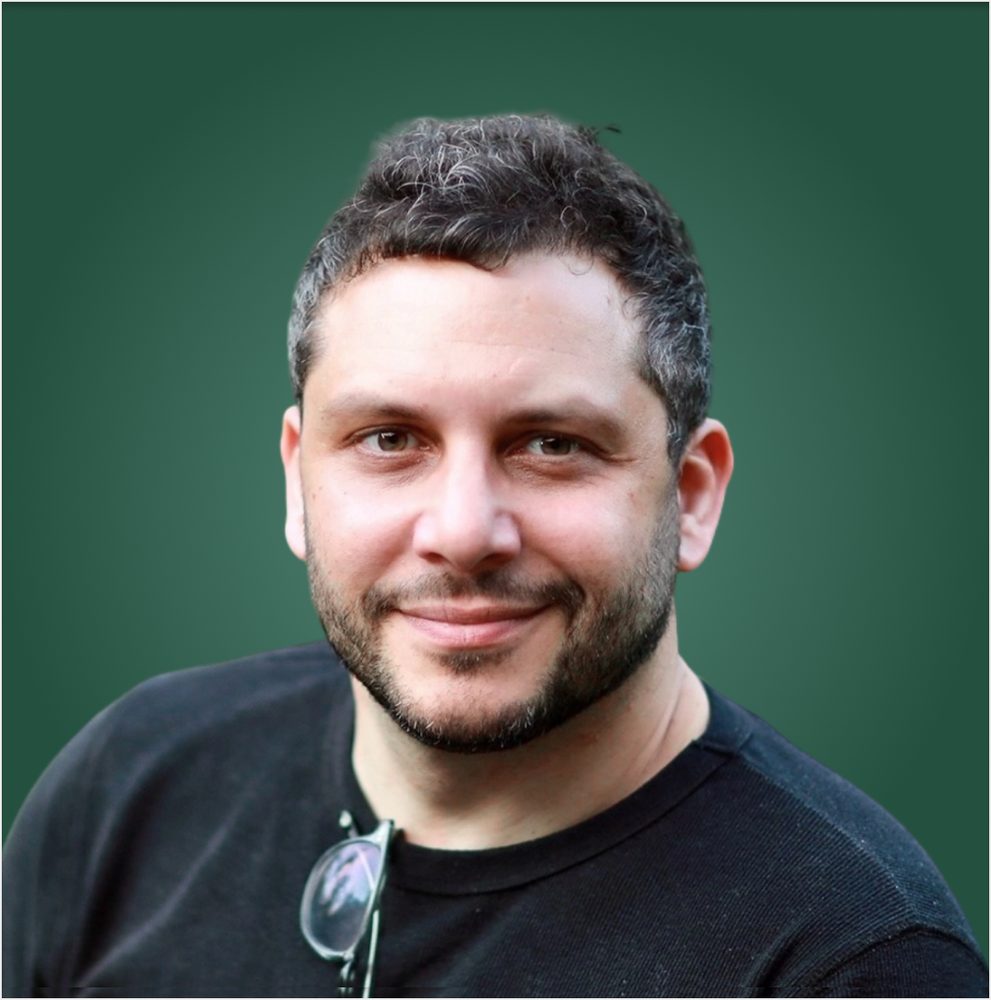
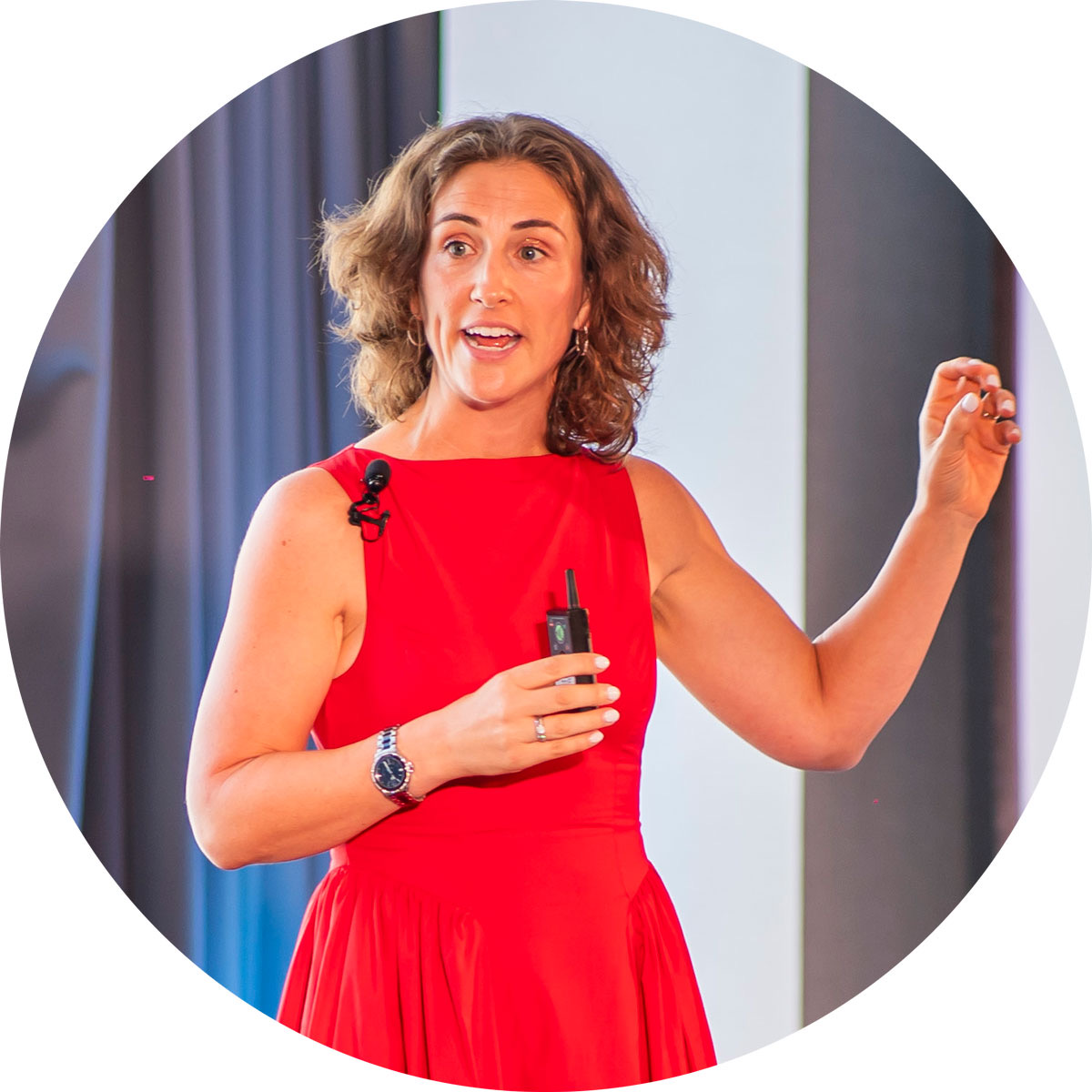
Lou Compagnone, Director of AI at Datacom, joins neurologist and organisational capability adviser Dr Patrick Aouad to examine how businesses can adopt AI at scale without degrading the human capabilities they still need most.
Expertise is built through effort, feedback, retrieval, pattern recognition and productive friction. When AI removes that friction too early, people may become more efficient at producing answers while gradually losing the ability to question, evaluate and improve them.
This session explores which work should be automated, which forms of friction must be preserved, and how organisations can continue developing talent as roles and expectations change around them.
The conversation will also consider wellbeing as essential infrastructure for transformation. Rapid change, ambiguity and cognitive overload affect people’s ability to learn, adapt and exercise sound judgement. An organisation can deploy extraordinary technology and still perform poorly if the humans working alongside it are depleted.
Moderating the conversation is Aleisha McCall, founder and CEO of marketing, media and AI transformation consultancy Ultimate Edge Communications. Before moving into business, Aleisha represented Australia and New Zealand at four World Synchronised Skating Championships—experience that gives her a distinctive perspective on how expertise, resilience and sustained high performance are actually built.
This session asks what AI should give back to people—and how leaders can translate greater efficiency into stronger judgement, creativity and organisational capability, rather than simply more output.